
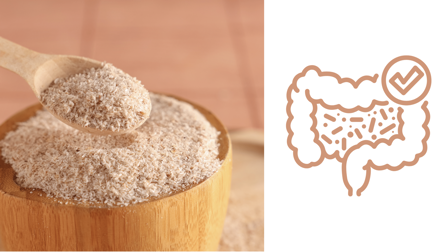
Why Is Everyone Talking About Prebiotic Fibre?
Fibre has become one of the most talked-about areas in gut health but many people are still confused about what prebiotic fibre actually is and whether it is right for them.
Some people notice improvements in digestion, bowel regularity, skin health and energy after increasing prebiotic fibres, while others experience bloating, discomfort or worsening IBS symptoms.
The difference often comes down to:
- the type of fibre used
- the dose
- how quickly it is introduced
- the health of the existing gut microbiome
- individual digestive sensitivity
In clinical practice, one of the most common mistakes I see is people dramatically increasing fibre intake too quickly (I’m looking at you – “Fibremaxxing”!) or choosing a fibre that is poorly suited to their digestive system.
The right prebiotic fibre can be incredibly supportive. The wrong approach can leave people feeling discouraged and uncomfortable.
Author: Norelle Hentschel (Master of Advanced Naturopathic Medicine).
This information is this article general in nature and does not replace individual medical advice. If you are experiencing severe, persistent or unusual symptoms, please seek medical care.
Quick Summary
Prebiotic fibres are specialised fibres that feed beneficial gut bacteria and help produce compounds that support digestion, immunity, inflammation regulation, skin health and the gut-brain connection. However, not all fibres work the same way and using the wrong type or dose can worsen bloating and digestive symptoms in sensitive individuals. Choosing the right prebiotic fibre depends on your symptoms, gut sensitivity, health goals and how well your microbiome tolerates fermentation.
What Is Prebiotic Fibre?
Prebiotic fibres are types of fibre that are selectively used by beneficial gut microbes.
As these fibres are fermented by bacteria in the large intestine, they help produce compounds called short-chain fatty acids (SCFAs), including:
- butyrate
- acetate
- propionate
These compounds play important roles in:
- maintaining the gut lining
- regulating inflammation
- supporting immune function
- influencing metabolism
- communicating with the nervous system through the gut-brain axis
Unlike general dietary fibre, prebiotic fibres have specific effects on the microbiome.
Further reading: Gut-brain axis in IBS
Explores the bi-directional communication between the gut and brain and how this impacts IBS.
How Prebiotic Fibres Support Health
Research into the microbiome continues to expand, and while there is still much to learn, prebiotic fibres appear to influence health in several important ways.
Digestive Health
Prebiotic fibres may help:
- improve bowel regularity
- support stool consistency
- encourage beneficial bacteria growth
- support gut barrier integrity
Some prebiotics may also help reduce symptoms in certain people with IBS when introduced appropriately.
Immune Function
A large proportion of the immune system is associated with the gut. Prebiotic fibres help nourish bacteria involved in immune regulation and inflammatory balance.
Emerging research suggests the microbiome may influence:
- immune tolerance
- inflammatory signalling
- susceptibility to infections
- allergic responses
Gut-Brain Connection
The gut and brain communicate constantly through the nervous system, immune system and microbial metabolites.
Short-chain fatty acids produced during fermentation may influence:
- mood
- stress resilience
- nervous system signalling
- sleep
- cognitive function
This is one reason why digestive symptoms often worsen during periods of stress.
Skin Health
The gut-skin connection is an area of growing interest for researchers.
In clinical practice, digestive dysfunction and poor fibre diversity are common patterns seen alongside inflammatory skin conditions such as:
- acne
- eczema
- rosacea
- psoriasis
Prebiotic fibres may support:
- microbial diversity
- inflammatory regulation
- bowel regularity
- detoxification pathways
However, more fibre is not always better especially in highly reactive digestive systems.
Clinical Comparison of Common Prebiotic Fibres
| Fibre Type | Common Benefits | Tolerance | Gas/Bloating Potential | Clinical Notes |
| PHGG (Partially Hydrolysed Guar Gum) | IBS support, bowel regulation, gentle microbiome support | Usually very well tolerated | Low | Often a useful starting option for sensitive digestion |
| Inulin | Microbiome diversity, bowel regularity | Variable | Higher | Can aggravate bloating in sensitive individuals |
| FOS (Fructooligosaccharides) | Supports bifidobacteria growth | Moderate to low | Moderate to high | Often poorly tolerated in IBS when introduced too quickly |
| GOS (Galactooligosaccharides) | Gut and immune support | Moderate | Moderate | May benefit some IBS presentations at low doses |
| Resistant Starch | Butyrate production, metabolic support | Variable | Moderate | Found naturally in cooled potatoes, green bananas and legumes |
| Acacia Fibre | Gentle microbiome support and regularity | Generally well tolerated | Low to moderate | Often useful for sensitive digestive systems |
| Psyllium Husk | Stool consistency and bowel regulation | Usually well tolerated | Low | Not technically a classic prebiotic, but often clinically useful |
How to Choose the Right Prebiotic Fibre
There is no single “best” prebiotic fibre.
The ideal choice depends on:
- digestive sensitivity
- bowel habits
- dietary patterns
- microbiome diversity
- health goals
- nervous system regulation
People With Sensitive Guts or IBS
Gentler fibres are often better tolerated initially, including:
- PHGG
- acacia fibre
- psyllium
Starting low and increasing slowly is essential.
Constipation-Dominant Symptoms
A combination of:
- hydration
- movement
- adequate meals
- nervous system support
- appropriate fibre
is often more effective than fibre alone.
Some individuals respond well to:
- psyllium
- PHGG
- resistant starch
Loose Stools or IBS-D
Certain fibres may help improve stool consistency and microbial balance.
PHGG and psyllium are often better tolerated than highly fermentable fibres in these cases.
Skin and Inflammatory Conditions
Fibre diversity may be particularly important for:
- microbial diversity
- bowel regularity
- inflammatory balance
However, aggressively increasing fibre in someone with significant bloating or dysbiosis can sometimes worsen symptoms initially.
How to Start Prebiotic Fibre Without Bloating
This is where many people go wrong.
🌿 Start Low
More is not better.
For sensitive individuals, even ¼–½ teaspoon daily may be enough initially depending on the product used.
🌿 Increase Slowly
Gradual increases over several weeks are often better tolerated than rapid changes.
🌿 Support Digestive Foundations
Prebiotic fibres tend to work better when people are also:
- eating regular meals
- chewing properly
- managing stress
- drinking adequate fluids
- including sufficient protein
🌿 Expect Some Adjustment
Mild temporary changes in gas production can occur as the microbiome adapts.
However, significant pain, severe bloating or worsening digestive symptoms are signs the approach may need adjusting or further investigations are required.
Common Mistakes With Prebiotic Fibre
1. Increasing Fibre Too Quickly
Rapid increases are one of the most common causes of bloating and discomfort.
2. Choosing Highly Fermentable Fibres First
More fermentable does not necessarily mean better tolerated.
3. Ignoring Nervous System Factors
Stress, meal rushing and nervous system dysregulation can significantly affect digestive tolerance.
4. Assuming All Fibre Is the Same
Different fibres have very different effects within the gut.
5. Focusing Only on Supplements
Food diversity matters too.
Natural sources of prebiotic fibres include:
- legumes
- oats
- onions
- garlic
- cooked and cooled potatoes
- green bananas
- asparagus
6. Using Fibre Without Enough Fluid
Insufficient hydration can worsen constipation and digestive discomfort especially with bulk forming fibres like psyllium.
7. Continuing Despite Significant Symptoms
Persistent pain, severe bloating or major bowel habit changes should be assessed properly.
⚠️ When Prebiotic Fibres May Need Extra Caution
Prebiotic fibres are not appropriate for everyone in every situation.
Additional care may be needed in people with:
- severe bloating
- suspected SIBO
- active inflammatory bowel disease flares
- significant food intolerances
- recent gastrointestinal surgery
- severe digestive pain
Individual assessment matters.
Prebiotics vs Probiotics: What’s the Difference?
A simple way to think about it is:
- Probiotics are live microorganisms
- Prebiotics are fibres that feed beneficial microbes already living in the gut
Many people benefit from using both but not always at the same time or in the same way.
Why More Fibre Isn’t Always Better
One of the biggest misconceptions online is that everyone should simply eat more fibre.
In reality, tolerance depends on:
- microbial balance
- digestive capacity
- stress levels
- meal patterns
- existing gut symptoms
In some people, introducing fibre strategically and gradually produces far better results than dramatically increasing intake overnight.
The goal is not simply “more fibre”. It is improving microbial diversity and digestive resilience in a sustainable way.
How We Approach Prebiotics in the Clinic
At Your Remdey Naturopathy prebiotic fibre therapy is not a one-size-fits-all.
Our personalised approach considers:
- digestive symptoms
- bowel patterns
- food tolerances
- stress and nervous system health
- dietary intake
- skin and immune presentations
- previous reactions to supplements
In clinical practice, careful fibre selection and gradual introduction often makes a significant difference to tolerance and outcomes.
📞 If you’d like to learn more about how we approach gut health book in a FREE 15-minute Discovery Call.
📚 Top Prebiotic Fibre Resources
If you’d like to learn more about holistic naturopathic approaches these articles may help.
These articles reflect the clinical framework I use in practice.
How to increase fibre without bloating
Bloating when increasing fibre is a common barrier for many people. Based on my clinical practice this detailed guide provides practical strategies to help you boost fibre.
👉🏻 Read – How to increase fibre without bloating – A naturopath’s guide
Health benefits of chia seeds
Learn more about the health benefits of chia seeds and how they can be incorporated into your diet.
👉🏻 Read: Health benefits of chia seeds
Health benefits of resistant starch - Your ultimate guide
An in-depth guide to the benefits of resistant starch for your micorbiome plus practical tips and what foods to includes in your diet.
👉🏻 Read: Health benefits of Resistant Starch
Frequently asked prebiotic questions
Can prebiotic fibre cause bloating?
Yes. Particularly if introduced too quickly or if the chosen fibre is poorly tolerated. This does not necessarily mean prebiotics are harmful, but it may indicate the need for a different type or slower introduction.
Is psyllium a prebiotic?
Psyllium is primarily considered a functional soluble fibre rather than a classic prebiotic. However, it can still support bowel regularity and beneficial gut bacteria indirectly. It is usually well tolerated by those with IBS.
What is the least reactive prebiotic fibre?
Many people with sensitive digestion tolerate PHGG or acacia fibre better than highly fermentable fibres such as inulin.
Should people with IBS avoid prebiotic fibres?
Not necessarily. Some fibres may worsen symptoms, while others can be very helpful when introduced carefully and individually.
Can prebiotic fibres help skin conditions?
Emerging research into the gut-skin axis suggests the microbiome may influence inflammation and skin health. Supporting gut health may be one part of a broader skin treatment approach.
How much does a consultation with you cost?
Consultation fees are transparent and available before booking. Fees are for consults only. Any products purchased from the dispensary are an additional cost.
The current consultation fees can be found on the Book a consult page. Naturopathy is not covered by Medicare. Some private health insurance funds offer rebates for Naturopathy. Check with your fund for details.
If you want more information before booking I also offer a free Discovery Call.

If you’re unsure which type of prebiotic fibre is right for your symptoms, a personalised plan can make all the difference.
Norelle Hentschel is an experienced Naturopath who has been in clinical practice since 2015. She has supported hundreds of people improve their health using a holistic, integrative naturopathic approach of evidenced based diet, lifestyle and herbal medicine.
Clinical review and authorship
This page has been written and reviewed by Norelle Hentschel (Master of Advanced Naturopathic Medicine) a degree-qualified naturopath based in Brisbane.
Content is informed by traditional naturopathic principles, current nutrition and integrative health research, and over a decade of clinical experience.
Information provided is for educational purposes and does not replace medical diagnosis or treatment. Individual care plans are tailored in collaboration with your healthcare team where appropriate.
Last reviewed on 23 May 2026.