
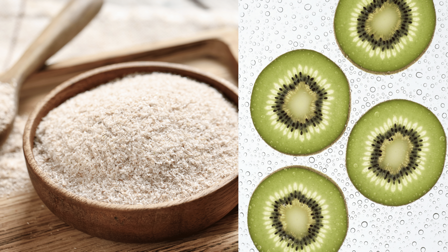
The Right Fibre for Your Symptoms: IBS, Acne, Reflux & More
Why “just eat more fibre” isn’t always the answer
Author: Norelle Hentschel (Master of Advanced Naturopathic Medicine).
This information is general in nature and does not replace individual medical advice. If you are experiencing severe, persistent or unusual symptoms, please seek medical care.
Quick Summary:
Not all fibre works the same way. Choosing the right type of fibre for your symptoms can make the difference between relief and worsening bloating, constipation, reflux, or skin flares.
- Constipation: gentle bulking + osmotic fibres
- Diarrhoea/IBS-D: binding, gel-forming fibres
- Reflux: low-fermentable, non-gas-producing fibres
- Skin conditions: prebiotic fibres that support gut-skin axis
- Metabolic health: fibres that improve insulin sensitivity
What Are the Main Types of Fibre?
Understanding fibre types is key to using them therapeutically:
Soluble Fibre (Gel-forming)
- Dissolves in water → forms a gel
- Slows digestion and regulates bowel movements
- Examples: psyllium, oats, chia seeds
Insoluble Fibre (Bulking)
- Adds bulk to stool
- Speeds up transit time
- Examples: wheat bran, vegetable skins
Fermentable Fibre (Prebiotic)
- Feeds beneficial gut bacteria
- Produces short-chain fatty acids (SCFAs) like butyrate
- Examples: inulin, resistant starch
Low-Fermentable Fibre
- Less likely to cause gas/bloating
- Often better tolerated in sensitive guts
- Examples: psyllium, partially hydrolysed guar gum (PHGG)
Fibre for IBS: Constipation vs Diarrhoea
Fibre is included in the first line Australian Clinical Guidelines for managing IBS. Research has shown psyllium husk and partially hydrolysed guar gum (PHGG) may reduce bloating and gas production for some patients with IBS. Here are some fibres which may be supportive for the different subtypes of IBS.
IBS with Constipation (IBS-C)
Focus on:
- Psyllium husk
- Kiwifruit fibre
- PHGG
Why:
- Softens stool without excessive fermentation
- Improves stool frequency and consistency
Avoid (initially):
- Large amounts of wheat bran (can worsen bloating)
🌿 Clinical tip: Always take Psyllium husk with a large glass of water as otherwise it may slow your gut motility and worsen constipation.
IBS with Diarrhoea (IBS-D)
Focus on:
- Psyllium husk
- Oats / beta-glucans
- PHGG
Why:
- Gel-forming fibres help bind stool and reduce urgency
- Slow gut transit
Avoid:
- Highly fermentable fibres (e.g. inulin) during flares
Fibre for Reflux & Upper GI Symptoms
People with reflux or upper GI sensitivity often do poorly with highly fermentable fibres.
Best choices:
- Psyllium husk
- PHGG
- Oats (moderate amounts)
Why:
- Low gas production → less intra-abdominal pressure
- Supports motility without aggravating symptoms
Use caution with:
- Inulin
- Large amounts of legumes early on
Fibre for Skin Conditions (Acne, Eczema, Psoriasis)
The gut-skin axis is a two-way communication network linking the digestive system and the skin and is mediated by the microbiome, immune system, and metabolites. Dysbiosis (imbalance) in gut bacteria can cause inflammation and increase intestinal permeability, leading to skin conditions like acne, eczema, and psoriasis, often referred to as “leaky gut, leaky skin”. Emerging research highlights the role of fibre on the gut–skin axis.
Best fibres:
- Resistant starch (cooled potatoes, green banana flour)
- Inulin (if tolerated)
- Pectin (apples)
Why:
- Feed beneficial bacteria
- Increase SCFAs like butyrate
- Support immune regulation and inflammation control
🌿 Clinical note: Start low and increase slowly Underlying gut sensitivity often accompanies skin conditions.
Fibre for Metabolic Health & Insulin Resistance
Fibre can significantly improve blood sugar regulation and satiety by slowing carbohydrate absorption and enhancing satiety by delaying gastric emptying.
Best choices:
- Beta-glucans (oats, barley)
- Psyllium husk
- Legumes (if tolerated)
- Resistant starch
Why:
- Slows glucose absorption
- Improves insulin sensitivity
- Supports weight regulation
Summary Table: Best Fibres by Symptom
|
Condition / Symptom |
Best Fibre Types |
Why It Helps |
Use With Caution |
|
IBS-C (Constipation) |
Psyllium, PHGG, kiwifruit fibre |
Softens stool, improves motility |
Wheat bran (can irritate) |
|
IBS-D (Diarrhoea) |
Psyllium, oats |
Binds stool, slows transit |
Inulin, high FODMAP fibres |
|
Reflux / Upper GI |
Psyllium, PHGG |
Low gas, gentle on stomach |
Inulin, large legume intake |
|
Acne / Skin Issues |
Resistant starch, pectin, inulin (if tolerated) |
Supports microbiome + reduces inflammation |
Rapid fibre increases |
|
Eczema / Psoriasis |
Resistant starch, diverse plant fibres |
Immune modulation via gut |
Highly processed fibres |
|
Metabolic Health |
Beta-glucans, psyllium, legumes |
Improves insulin sensitivity |
Refined low-fibre diets |
Practical Tips for Using Fibre Therapeutically
- Start low, go slow – especially in IBS or sensitive guts
- Hydration is essential – fibre without fluid can worsen symptoms
- Match fibre to symptoms – not all fibre is helpful for all people
- Diversity matters (long-term) – aim for 30-40 different plant foods weekly
- Consider individual tolerance – especially with FODMAP sensitivity
- Fibre can slow the absorption of medications – separate supplemental fibre and medications by 2 hour
When to seek medical support
If you experience:
- Persistent bloating or pain
- Blood in stool
- Unexpected weight loss
- Alternating constipation and diarrhoea
- Chronic skin conditions
- Reflux that doesn’t improve
A personalised approach is important—particularly when using fibre therapeutically, as the wrong type can worsen symptoms.
How We Approach Fibre at Your Remedy Naturopathy
Rather than recommending a generic “eat more fibre,” we:
- Identify your gut pattern and tolerance
- Match specific fibres to your symptoms
- Support the gut–skin–metabolic connection
- Introduce fibre in a structured, clinically appropriate way at a dose appropriate for you
- Monitor you for any “red flag” symptoms and provide referrals to appropriate care
A naturopathic consultation can explore your health history, current symptoms , and appropriate next steps.
** Current consult prices are outlined on the booking page
📞 You can also book a FREE Discovery Call to learn more about how Naturopathy works.
📚 Top Fibre Resources
If you’d like to learn more about holistic naturopathic approaches these article may help.
These articles reflect the clinical framework I use in practice.
How to increase fibre without bloating
Bloating when increasing fibre is a common barrier for many people. Based on my clinical practice this detailed guide provides practical strategies to help you boost fibre.
👉🏻 Read – How to increase fibre without bloating – A naturopath’s guide
Health benefits of chia seeds
Learn more about the health benefits of chia seeds and how they can be incorporated into your diet.
👉🏻 Read: Health benefits of chia seeds
Health benefits of resistant starch - Your ultimate guide
An in-depth guide to the benefits of resistant starch for your micorbiome plus practical tips and what foods to includes in your diet.
👉🏻 Read: Health benefits of Resistant Starch
Frequently asked fibre questions
Is psyllium the best fibre for everyone?
It’s one of the most versatile and well-tolerated fibres, but not always sufficient on its own.
Can fibre make IBS worse?
Yes, especially fermentable fibres introduced too quickly or in the wrong subtype. Guidance from an experienced practitioner is often beneficial when looking to support IBS symtoms.
How long does it take to see results?
Some improvements (like stool consistency) can occur within days, while microbiome changes usually take 4-12 weeks.
Should I use fibre supplements or food first?
Both can be useful. Food first is ideal, but targeted supplements can be more therapeutic initially.
Can fibre help hormonal acne?
Indirectly, yes—by supporting gut health, detoxification pathways, and blood sugar regulation.
How much does a consultation cost?
Consultation fees are transparent and available before booking. Fees are for consults only. Any products purchased from the dispensary are an additional cost.
The current consultation fees can be found on the Book a consult page. Naturopathy is not covered by Medicare. Some private health insurance funds offer rebates for Naturopathy. Check with your fund for details.
If you want more information before booking I also offer a free Discovery Call.

If you’re unsure which type of fibre is right for your symptoms, a personalised plan can make all the difference.
Norelle Hentschel is an experienced Naturopath who has been in clinical practice since 2015. She has supported hundreds of people improve their health using a holistic, integrative naturopathic approach of evidenced based diet, lifestyle and herbal medicine.
Clinical review and authorship
This page has been written and reviewed by Norelle Hentschel (Master of Advanced Naturopathic Medicine) a degree-qualified naturopath based in Brisbane.
Content is informed by traditional naturopathic principles, current nutrition and skin health research, and over a decade of clinical experience.
Information provided is for educational purposes and does not replace medical diagnosis or treatment. Individual care plans are tailored in collaboration with your healthcare team where appropriate.
Last reviewed on 20 March 2026