
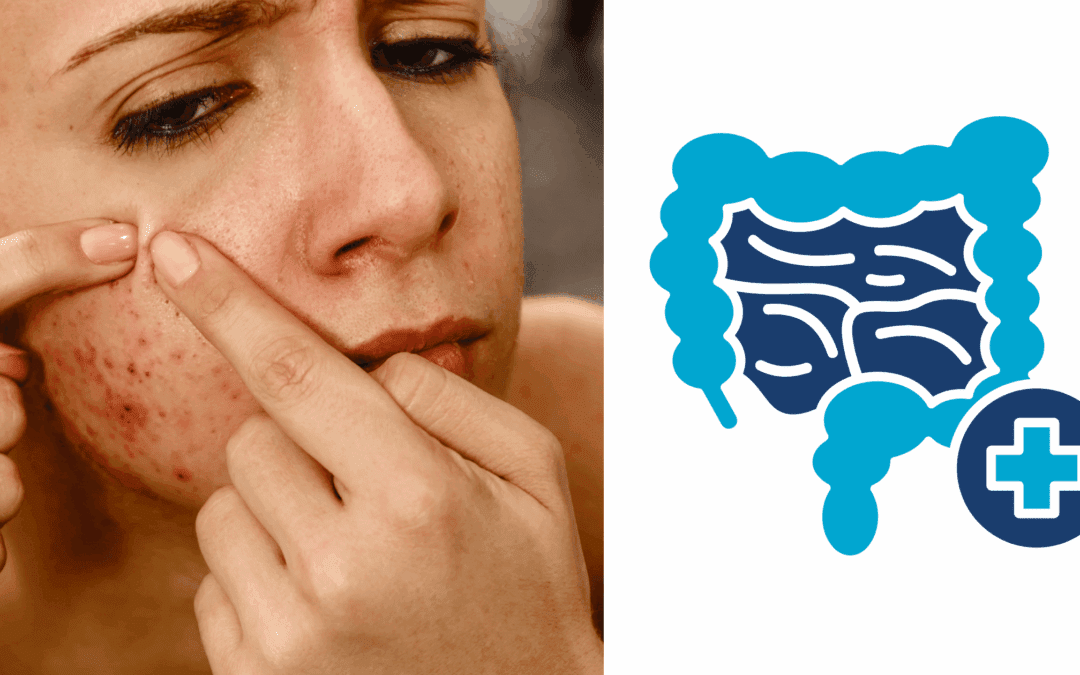
Female adult acne case study exploring the gut-skin connection
Why acne is not always hormonally driven
Clinical Case Study Summary
Primary concern: Persistent adult inflammatory acne
Key contributing factor identified: Gut dysbiosis with low secretory IgA
Clinical focus: Gut–skin axis restoration
Timeframe: 12 weeks active care + 12-month follow-up
Outcome: Sustained improvement in skin and digestive symptoms
Presentation Before Naturopathic Care
The client (female in mid 30’s) presented to the Your Remedy Naturopathy clinic with persistent inflammatory acne affecting the chin and forehead, including painful pustules, nodules, and cystic lesions.
Key features included:
- no prior acne history before adulthood
- onset following gastrointestinal parasite infection and antibiotic treatment approximately 4 years prior
- acne unrelated to menstrual cycles
- ongoing digestive symptoms including bloating, constipation, and food intolerance to high FODMAPs foods
Previous medical options discussed with other healthcare providers included hormonal contraception and isotretinoin therapy, which the client chose not to pursue at that time. A self-selected probiotic provided mild improvement but did not resolve symptoms.
Clinical assessment suggested a possible gut–skin axis contribution.
Naturopathic Clinical Approach
A personalised treatment plan focused on restoring gastrointestinal function and supporting the gut–skin axis through:
- microbiome modulation
- reduction of gastrointestinal inflammation
- optimisation of bowel regularity
- gradual restoration of food tolerance
- lifestyle strategies supporting immune regulation
Progress was monitored over time with adjustments based on symptom response.
🌿 Outcomes Over Time
4 weeks:
- reduced facial redness and congestion
- no emergence of new inflammatory lesions
- digestive symptoms beginning to improve
12 weeks:
- marked reductions in acne lesions was observed and client reported no new lesions
- bowel motions regular
- bloating and abdominal discomfort resolved
- improved tolerance to previously problematic foods
12-month follow-up:
The client reported stable skin and digestive health maintained through diet and lifestyle strategies, without recurrence of prior symptoms.
Before and after images
Images are published with informed client consent. Individual results vary and outcomes cannot be guaranteed.

Key Clinical Insights: The Gut–Skin Axis in Adult Acne
🌿 Adult-onset acne can be microbiome-driven and is not always hormonal
This case highlights an important clinical pattern: acne developing after a gastrointestinal infection and antibiotic treatment. While hormonal factors are commonly assumed in adult female acne, disruption to the gut microbiome (dysbiosis) can act as a primary driver by influencing systemic inflammation, immune regulation, and skin barrier function.
When acne appears suddenly in adulthood, particularly alongside digestive symptoms, assessing gut health may provide clinically meaningful insights.
🌿 Dysbiosis can promote skin inflammation through immune signalling
The gut and skin communicate via immune, inflammatory, and metabolic pathways often referred to as the gut–skin axis.
In dysbiosis:
- beneficial microbial diversity is reduced
- pro-inflammatory microbial activity may increase
- intestinal permeability and immune activation can occur
These changes may increase circulating inflammatory mediators that influence sebaceous gland activity and follicular inflammation which are key mechanisms involved in inflammatory acne lesions such as pustules, nodules, and cysts.
🌿 Secretory IgA plays a critical role in acne susceptibility
One notable finding in this case was low secretory IgA (sIgA) which is an essential immune antibody lining the gastrointestinal mucosa.
Secretory IgA helps:
- regulate interactions between microbes and the gut lining
- prevent overgrowth of opportunistic organisms
- maintain immune tolerance to food and microbiota
Low sIgA may occur following infection, antibiotic exposure, chronic stress, or prolonged inflammation. Clinically, reduced mucosal immunity can allow microbial imbalance to persist, sustaining systemic immune activation that may manifest in extra-intestinal conditions, including chronic inflammatory skin conditions.
🌿 Digestive symptoms often provide important diagnostic clues
Constipation, bloating, abdominal discomfort, and poor tolerance to fermentable carbohydrates (FODMAPs) were key indicators suggesting gut involvement.
These symptoms can reflect:
- altered microbial fermentation
- impaired motility
- mucosal inflammation
Addressing bowel regularity and digestive resilience frequently supports both gastrointestinal recovery and improvements in skin outcomes.
🌿 Acne improvement followed restoration of gut function
A clinically significant observation was that skin improvement occurred alongside:
- normalisation of bowel motions
- improved food tolerance
- reduction in gastrointestinal inflammation
This reinforces emerging evidence that, for some individuals, acne management benefits from addressing underlying systemic contributors rather than focusing solely on topical or hormonal strategies.
🌿 Sustainable results often come from addressing root drivers
Rather than suppressing symptoms alone, this approach focused on restoring microbiome balance, mucosal immune function, and lifestyle factors known to influence the gut–skin axis (nutrition, sleep, and stress regulation).
The maintenance of results at 12 months suggests that supporting foundational physiological processes may contribute to longer-term skin stability for appropriately selected patients.
Disclaimer
Individual acne presentations vary considerably. Not all acne is gut-driven, and testing or treatment approaches should be personalised following assessment by a qualified healthcare practitioner. This case study represents one clinical presentation and should not be interpreted as universal medical advice.
Practitioner Insight
Clinical Perspective from Norelle Hentschel – Naturopath
In clinical practice, adult acne that develops suddenly, particularly after gastrointestinal illness or antibiotic use, raises consideration of microbiome disruption rather than a purely hormonal driver.
This case illustrates several patterns commonly observed in gut-associated acne presentations:
- skin symptoms emerging after a clear triggering event
- persistent inflammation despite conventional skincare approaches
- concurrent digestive symptoms such as bloating, constipation, or food intolerance
- partial improvement with probiotics but incomplete resolution
Low secretory IgA is a finding I frequently see in patients with both digestive and inflammatory skin concerns. From a functional medicine perspective, this reflects reduced mucosal immune resilience rather than simply a cosmetic skin issue.
The clinical goal is therefore not to “treat acne directly,” but to restore physiological balance by supporting microbial diversity, gut barrier integrity, and immune regulation. When these systems improve, skin improvements may follow.
Importantly, this approach is not appropriate for every acne presentation. Careful assessment helps determine whether hormonal, dermatological, lifestyle, or gut factors are most relevant for each individual.
Why this matters for you
Many adults experiencing persistent acne feel frustrated when treatments focus only on the skin itself.
This case highlights an important clinical reality:
👉 For some people, acne may reflect underlying internal imbalance rather than a purely cosmetic concern.
You may benefit from a broader assessment if you recognise any of the following:
- Acne began suddenly in adulthood
- Skin symptoms appeared after illness, antibiotics, travel, or food poisoning
- Breakouts do not clearly follow hormonal patterns
- Acne persists despite good skincare routines
- You also experience bloating, constipation, irregular bowel motions, or food sensitivities
- Probiotics or dietary changes help slightly but results don’t fully last
In these situations, exploring the gut–skin connection may help identify contributing factors that are otherwise overlooked.
Rather than applying a one-size-fits-all acne protocol, a personalised naturopathic assessment considers:
- digestive health
- microbiome balance
- immune function
- inflammation patterns
- nutrition and lifestyle influences
The goal is to understand why acne is occurring and to support the systems influencing skin health from the inside out
Frequently asked questions
Can gut health really affect acne?
Yes. Growing clinical and research evidence supports the gut–skin axis, a bidirectional relationship between gastrointestinal health, immune regulation, inflammation, and skin function. Dysbiosis, intestinal inflammation, and altered immune signalling may contribute to inflammatory acne in some individuals.
How do antibiotics or infections trigger acne?
Gastrointestinal infections and broad-spectrum antibiotics can significantly alter the microbiome. In some people, microbial diversity and mucosal immune function do not fully recover, leading to ongoing low-grade inflammation and immune dysregulation that may influence skin health over time.
What is secretory IgA and why does it matter for skin health?
Secretory IgA (sIgA) is an immune antibody produced in the gut lining. It helps regulate interactions between microbes and the immune system. Low levels may allow microbial imbalance and inflammation to persist, which can contribute to systemic inflammatory conditions including acne in susceptible individuals.
Does this mean all acne starts in the gut?
No. Acne is a multifactorial condition. Hormones, genetics, skincare products, stress, diet, medications, and microbiome health can all play roles. Gut-focused treatment is most relevant when acne occurs alongside digestive symptoms or follows events known to disrupt the microbiome.
How long does it take to see improvement when acne is gut-related?
Timeframes vary, but improvements often occur gradually. In clinical practice, early changes may be seen within weeks as inflammation settles, while more complete skin changes typically occur over several skin cycles (approximately 8–12 weeks or longer depending on individual factors).

Ready to Explore the Root Causes of Your Acne?
If your acne feels unresolved despite previous treatments, a personalised consultation may help clarify whether gut health, hormones, inflammation, or other factors are contributing.
Your Remedy Naturopathy Brisbane
Individualised naturopathic support for adult acne, gut health, and inflammatory skin conditions.
Clinical review and authorship
This page has been written and reviewed by Norelle Hentschel (Master of Advanced Naturopathic Medicine) a degree-qualified naturopath based in Brisbane.
Content is informed by traditional naturopathic principles, current nutrition and skin and gut health research, and over a decade of clinical experience.
Information provided is for educational purposes and does not replace medical diagnosis or treatment. Individual care plans are tailored in collaboration with your healthcare team where appropriate.
Last reviewed on 11 April 2026